How Three Naples Vintners Are Shaping the Future of Sustainable Winemaking
By Peter Rose | The Rose Team
Luxury wine and sustainability are no longer separate conversations.
Across some of the world's most respected wine regions, a growing number of vintners are proving that responsible farming practices not only protect the environment but also produce better wines. Among those leading the movement are several Naples residents whose vineyards span Napa Valley, Sonoma County, and Spain's renowned Rioja Alavesa region.
Their approaches may differ, but their goal remains the same: preserving the land for future generations while producing world-class wines today.
Sustainability Begins in the Vineyard
For many wine producers, sustainability has become a marketing term. For Naples resident Jeff Gargiulo, it is a philosophy that has guided his career for decades.
Long before founding Gargiulo Vineyards in Napa Valley, Gargiulo was recognized for implementing Integrated Pest Management practices in agriculture, reducing reliance on chemical treatments through careful monitoring and natural controls.
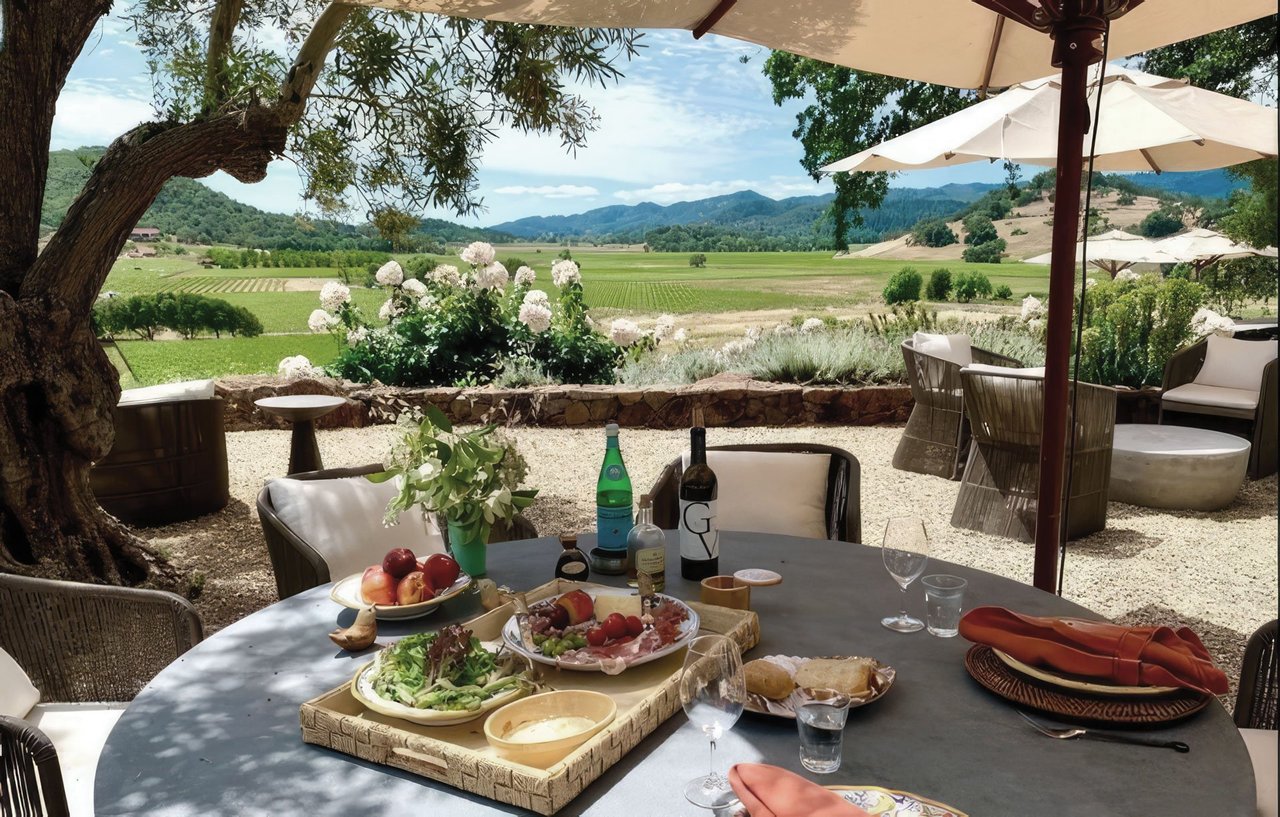
Today, that same philosophy shapes operations at Gargiulo Vineyards, one of Napa Valley's most respected Cabernet Sauvignon producers.
Rather than relying on excessive intervention, the vineyard carefully monitors insect populations, vine health, and environmental conditions to maintain a natural balance within the ecosystem. The goal is simple: produce exceptional fruit while protecting the land that supports it.
For Gargiulo, sustainability is personal.
His family lives on the property, and future generations remain at the center of every decision. The philosophy reflects a growing trend among premium wineries, where stewardship and quality increasingly go hand in hand.
Knights Bridge Winery Takes the Long View
In Sonoma County, Naples residents Kelley and Jim Bailey approach sustainability through a multi-generational lens.
At Knights Bridge Winery, decisions are made with a remarkably long timeline in mind. Rather than focusing on annual production targets, the family evaluates vineyard management in terms of decades and even centuries.
Their estate recently achieved organic certification, a milestone that reflects years of planning and investment.
The winery itself was designed with sustainability at its core. Working alongside renowned architecture firm Backen & Backen, the team created a facility integrated into the natural hillside. More than 15,000 square feet of underground caves provide natural temperature regulation, reducing energy consumption while creating ideal storage conditions for wine.
The vineyard employs advanced monitoring systems that analyze soil conditions, vine health, nutrient levels, and water requirements. Rather than applying fertilizers broadly, nutrients are delivered only when necessary, while cover crops help replenish the soil naturally.
Water conservation has become equally important.
Precision irrigation systems deliver targeted amounts of water directly to vine root zones, maximizing efficiency while reducing waste. Newer vineyard blocks even incorporate overhead misting systems designed to protect fruit during extreme heat events while using less water than traditional irrigation methods.
The result is a vineyard designed not only for today's harvest but for generations of future winemakers.
Bodega 202 Brings Sustainable Innovation to Spain
Across the Atlantic Ocean, Naples residents Francis and Kathleen Rooney have embraced a similar philosophy at Bodega 202 in Spain's historic Rioja Alavesa region.
Known for its limestone-rich soils, high elevations, and dramatic temperature swings, Rioja presents a different set of challenges than California's wine country.
Recent growing seasons have tested vineyards throughout the region as fungal diseases and unpredictable weather patterns increased pressure on growers. Yet Bodega 202 successfully navigated one of Rioja's most difficult pathogen seasons through a combination of organic farming methods and proactive vineyard management.
Rather than relying heavily on synthetic treatments, the vineyard utilized natural solutions, including orange peel oil applications, copper-based organic treatments, and canopy management techniques designed to maximize airflow and reduce moisture buildup.
The approach proved highly successful.
In 2025, Bodega 202 achieved official European Union organic certification following a rigorous multi-year conversion process. The certification validates the winery's commitment to environmentally responsible farming while preserving the unique characteristics of the vineyard's terroir.
Why Sustainability Matters to Luxury Wine
The connection between sustainability and quality has become increasingly clear throughout the wine industry.
Healthy soils produce healthier vines. Balanced ecosystems reduce stress on vineyards. Precision farming allows growers to respond to challenges more effectively while preserving natural resources.
For consumers, the result is often better fruit, greater vineyard expression, and wines that more accurately reflect their place of origin.
Many of the world's most respected wineries have embraced this philosophy, recognizing that environmental stewardship and exceptional winemaking are closely connected.
A Reflection of Naples' Global Reach
The involvement of Naples residents in some of the world's most respected wine regions highlights the city's growing influence beyond Southwest Florida.
Many Naples homeowners maintain business, philanthropic, and investment interests around the globe. Their participation in industries ranging from agriculture and hospitality to wine and luxury goods continues to strengthen the city's reputation as an international community.
The stories of Gargiulo Vineyards, Knights Bridge Winery, and Bodega 202 demonstrate how Naples residents are helping shape industries far beyond Southwest Florida's shores.
While their vineyards may be thousands of miles apart, each reflects the same commitment to excellence, stewardship, and long-term thinking.
In the world of fine wine, that commitment may be the most valuable ingredient of all.
Peter Rose
The Rose Team | Premiere Plus Realty
239-249-0232
[email protected]