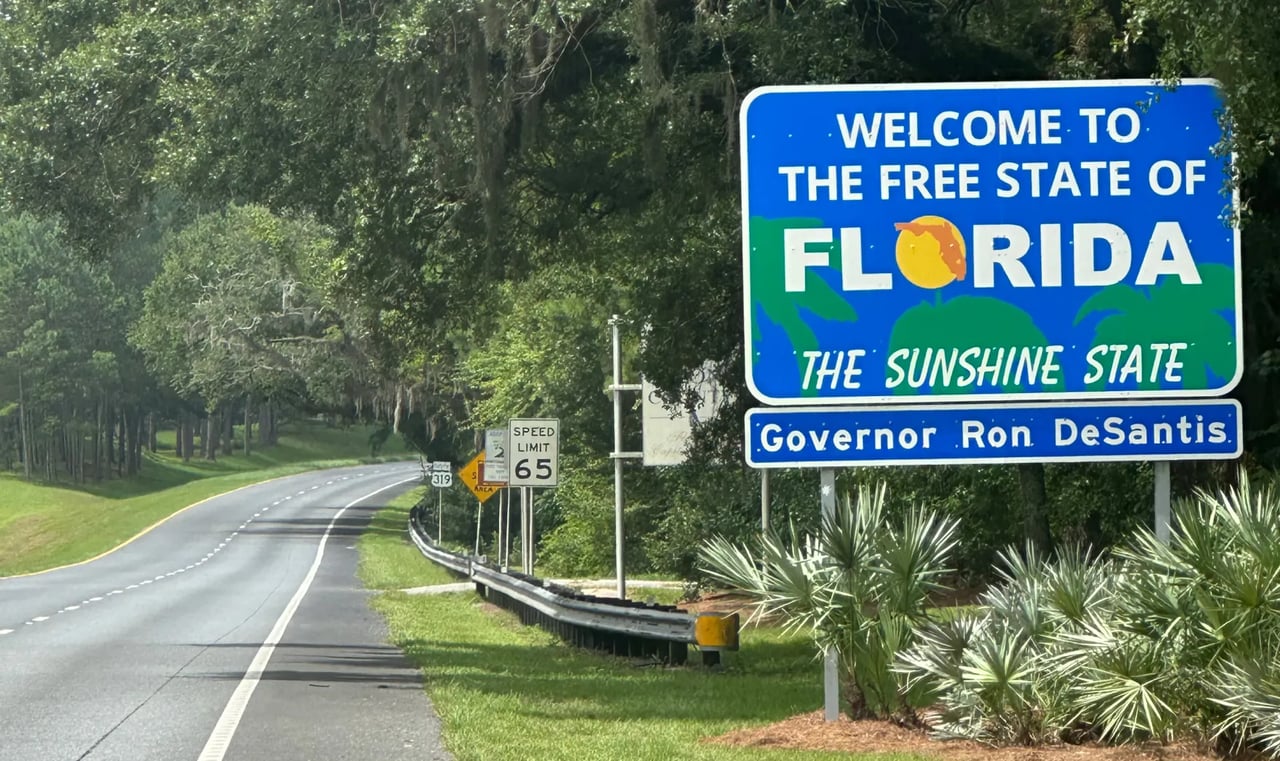
Florida Property Tax Reform Heads to the Ballot: What Naples Homeowners and Buyers Need to Know
By Peter Rose | The Rose Team | Premiere Plus Realty
Property taxes have become one of the most important topics in Florida real estate, particularly in Southwest Florida where rising property values, insurance costs, and overall ownership expenses continue to shape buyer decisions.
Now, Florida voters will have an opportunity to weigh in on a proposed constitutional amendment that could significantly change how property taxes are calculated for many homeowners throughout the state. The measure, approved by lawmakers during a recent special legislative session, will appear on the November 2026 ballot and has the potential to become one of the most significant property tax reforms in Florida history.
For homeowners, retirees, seasonal residents, investors, and anyone considering a move to Naples, Bonita Springs, Estero, or Southwest Florida, understanding what is being proposed—and what it could mean for future ownership costs—is essential.
What Is the Florida Property Tax Reform Amendment?
The proposed constitutional amendment would substantially increase Florida's Homestead Exemption for qualifying primary residences.
If approved by at least 60% of voters, the amendment would increase the current homestead exemption from $50,000 to $150,000 beginning January 1, 2027, and then increase it again to $250,000 beginning January 1, 2028. The enhanced exemption would apply to non-school property taxes, while school district taxes would remain in place.
The proposal also includes a reduction in the assessment cap for many non-homestead properties, lowering the annual increase limitation from 10% to 5%. This provision could affect many second homes, seasonal residences, and investment properties throughout Florida.
Why This Matters in Naples
Naples is unlike many Florida markets.
Our area includes a unique mix of:
- Full-time Florida residents
- Retirees
- Seasonal homeowners
- Luxury property owners
- Waterfront homeowners
- Investors
- Second-home buyers
Because of this diversity, the proposed amendment could affect different property owners in very different ways.
For full-time Florida residents who qualify for Homestead Exemption benefits, the proposal could reduce a meaningful portion of future property tax obligations. For second-home owners and investors, the benefits may be more limited, although the proposed reduction in the non-homestead assessment cap could still provide long-term value.
Understanding Homestead Exemption
One of the biggest misconceptions among relocating buyers is assuming every Florida property receives the same tax benefits.
In reality, Florida's Homestead Exemption is generally reserved for primary residences.
A buyer who establishes Florida as their permanent residence may qualify for homestead benefits, including:
- Reduced taxable value
- Save Our Homes protections
- Limits on annual assessment increases
- Potential future tax advantages under the proposed amendment
A seasonal condominium owner or second-home owner typically does not receive the same level of protection unless the property becomes their primary residence. This distinction is especially important in Naples, where many properties are owned by seasonal residents.
A Potential Incentive for Florida Residency
One aspect of the proposal receiving significant attention involves residency requirements.
Under the current framework, buyers who establish Florida residency before the end of 2026 may be treated differently than those who move to Florida after the proposed implementation period begins. Certain versions of the legislation include waiting periods for newer Florida residents before receiving the full enhanced exemption benefits.
For individuals already considering a permanent move to Naples or Southwest Florida, this has become an important planning discussion.
While no changes have taken effect yet, buyers evaluating relocation options should stay informed as the amendment moves toward the November ballot.
What About Second Homes and Investment Properties?
Many Naples properties are owned as vacation homes, seasonal residences, or investment properties.
Although these properties generally would not qualify for the expanded Homestead Exemption, the proposal includes a reduction in the annual assessment cap for many non-homestead properties, lowering the cap from 10% to 5%. This change could help reduce future increases in taxable value for certain properties.
For Naples investors and seasonal residents, this portion of the proposal may ultimately be just as important as the homestead provisions.
Could This Affect the Naples Real Estate Market?
Potentially.
Florida has long attracted buyers because of its favorable tax environment, absence of a state income tax, and strong property rights protections.
If approved, expanded homestead benefits could further enhance Florida's appeal among retirees, professionals, remote workers, and families considering relocation from higher-tax states.
In Naples specifically, communities that appeal to full-time residents may see increased interest as buyers evaluate long-term ownership costs and residency benefits.
However, it is important to remember that property taxes represent only one component of homeownership costs.
Buyers should also carefully evaluate:
- Homeowners insurance
- Flood insurance
- HOA fees
- Condominium fees
- Club memberships
- Maintenance expenses
- Reserve assessments
- Utility costs
A tax reduction may improve affordability, but it does not eliminate the broader financial considerations associated with homeownership.
Questions and Concerns Surrounding the Proposal
Like many major policy initiatives, the amendment has generated debate.
Supporters argue that Florida homeowners need meaningful tax relief as ownership costs continue to rise. Critics have raised concerns regarding the impact reduced property tax revenues could have on local governments, infrastructure projects, public safety services, and other municipal programs. Several organizations have already challenged portions of the ballot language in court.
Because the amendment affects local government funding, voters will ultimately be asked to balance potential homeowner savings against broader budget considerations.
What Buyers and Homeowners Should Do Today
The most important thing to understand is that nothing has changed yet.
The amendment must still receive at least 60% voter approval before becoming part of the Florida Constitution. Until then, property taxes continue to operate under the current system.
For buyers considering Naples real estate, the best approach remains the same:
- Estimate future property taxes based on current law.
- Understand whether a property qualifies for homestead benefits.
- Evaluate total ownership costs.
- Work with qualified tax and legal professionals when making residency decisions.
- Stay informed as additional details emerge leading up to the November election.
Final Thoughts
Florida's proposed property tax reform amendment could become one of the most significant homeowner-focused initiatives in decades.
Whether you are a full-time Naples resident, seasonal homeowner, investor, or someone considering a move to Southwest Florida, understanding how these potential changes may affect ownership costs is an important part of making informed real estate decisions.
As the November election approaches, I expect property taxes, homestead exemptions, and long-term affordability to remain key topics among buyers and homeowners throughout Naples and Southwest Florida.
Questions About Property Taxes or Moving to Naples?
If you're considering purchasing a home in Naples, Bonita Springs, Estero, Fort Myers, or anywhere throughout Southwest Florida, I'd be happy to help you understand not only the real estate market, but also the broader ownership considerations that come with buying property in Florida.
Peter Rose
The Rose Team | Premiere Plus Realty
📞 239-249-0232
📧 [email protected]
🌐 www.TheRoseTeam.com